Symposium 2026
We are excited to announced our 9th Martes Working Group Symposium is happening in Yukon, Canada, September 2026.
Our theme is “Living on the edge: A path towards the conservation of Guloninae species worldwide”.
We looking forward to welcoming you there!
Registration is now CLOSED.

Registration is now closed, due to catering deadlines. If you would still like to join us (food not included) please email us at symposium@martesworkinggroup.org.
Dates & Location
Come join us 1st - 3rd September 2026 at Kwanlin Dun Cultural Center, Whitehorse, Yukon, Canada.
The full-day fieldtrip will take place on the 4th September 2026. Scroll down to the fieldtrip section to find out more details.
Hotel Information
We’ve reserved a block of rooms at the Sternwheeler Hotel—just 500 m (about a 7-minute walk) from the symposium venue (Kwanlin Dün Cultural Centre). Book by 31 July to secure the discounted rate of CAD 185 per night (plus tax).
To reserve at this rate, provide the group code 083026TJG when booking. You can book by calling the hotel at +1 (867) 322-3061, emailing frontdesk@sternwheelerhotel.ca, or through the hotel’s booking site. Please book early—rooms at the discounted rate are limited.
Abstract submission - Now Closed!
The deadline for submitting abstracts was 5:00 pm (PST) Tuesday 31st March 2026.
The Martes Working Group 9th Symposium 2026 – Yukon, Canada – the theme is Living on the edge: A path towards the conservation of Guloninae species worldwide. We welcome abstracts for all Martes species, with a regional or global focus.
The Symposium will take place on 1st to 3rd September, 2026, at the Kwanlin Dun Cultural Centre in Whitehorse, Yukon, Canada.
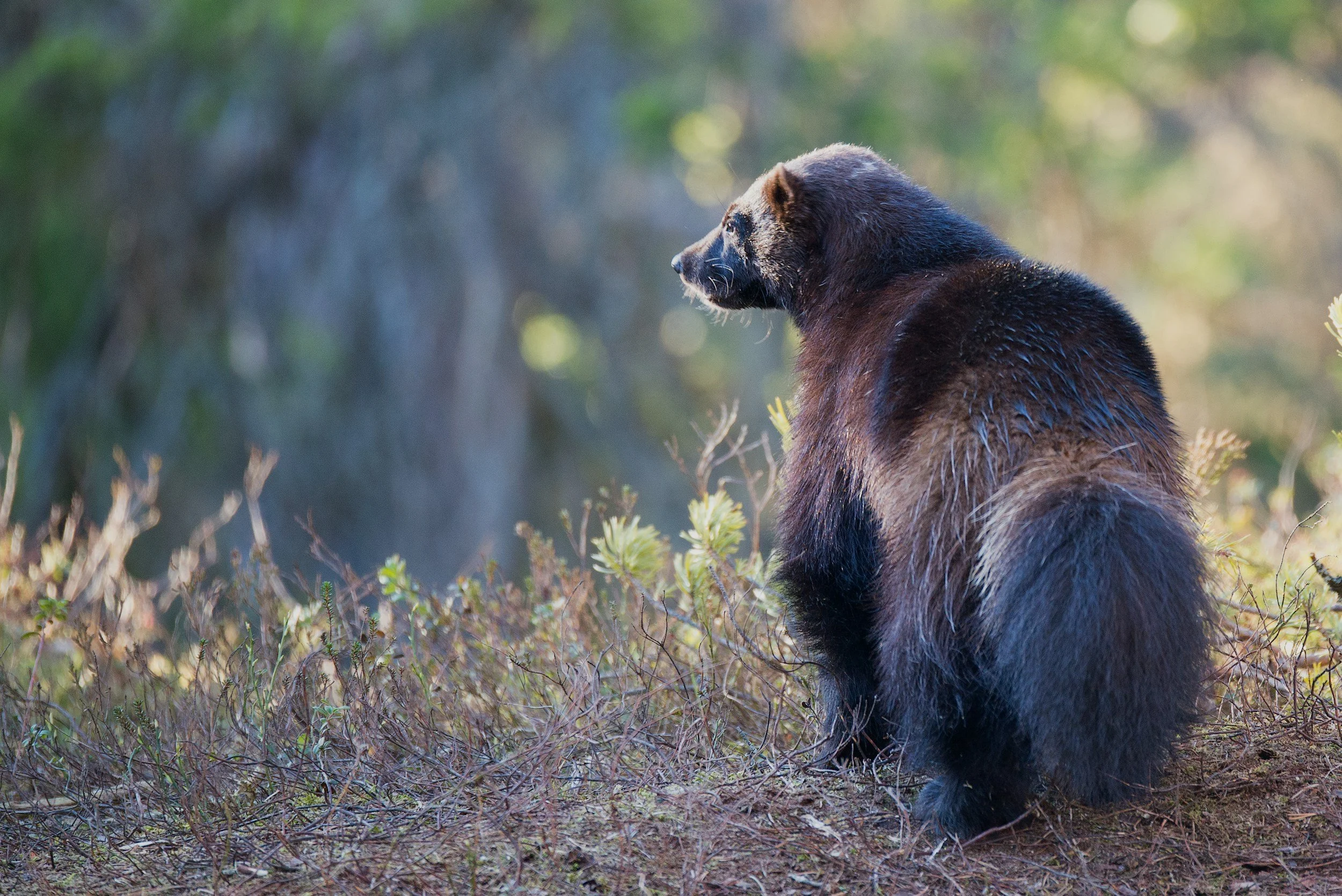
The Martes Working Group have partnered with The Wolverine Foundation for a special session of Wolverine Ecology, Research and Conservation!
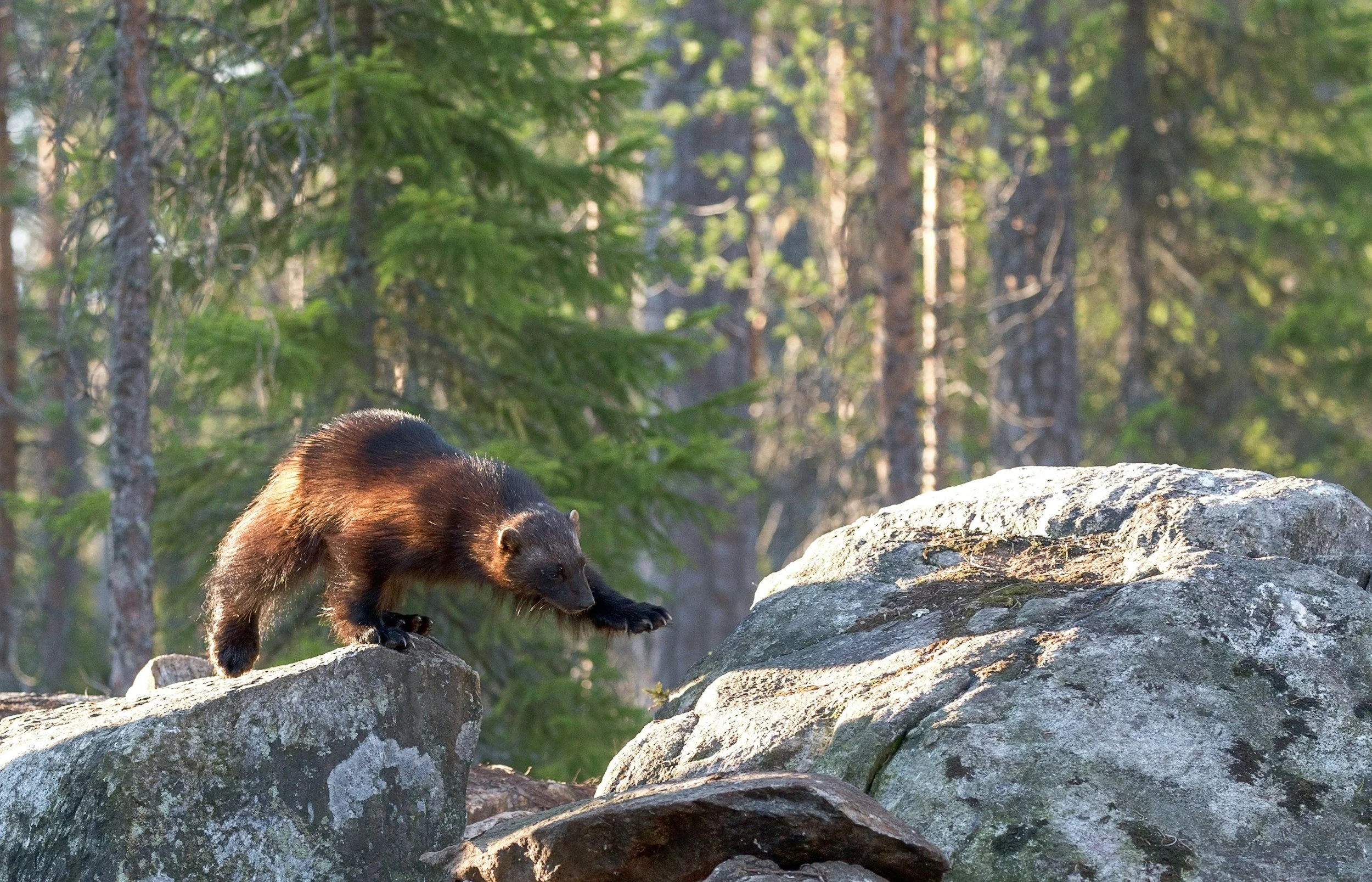
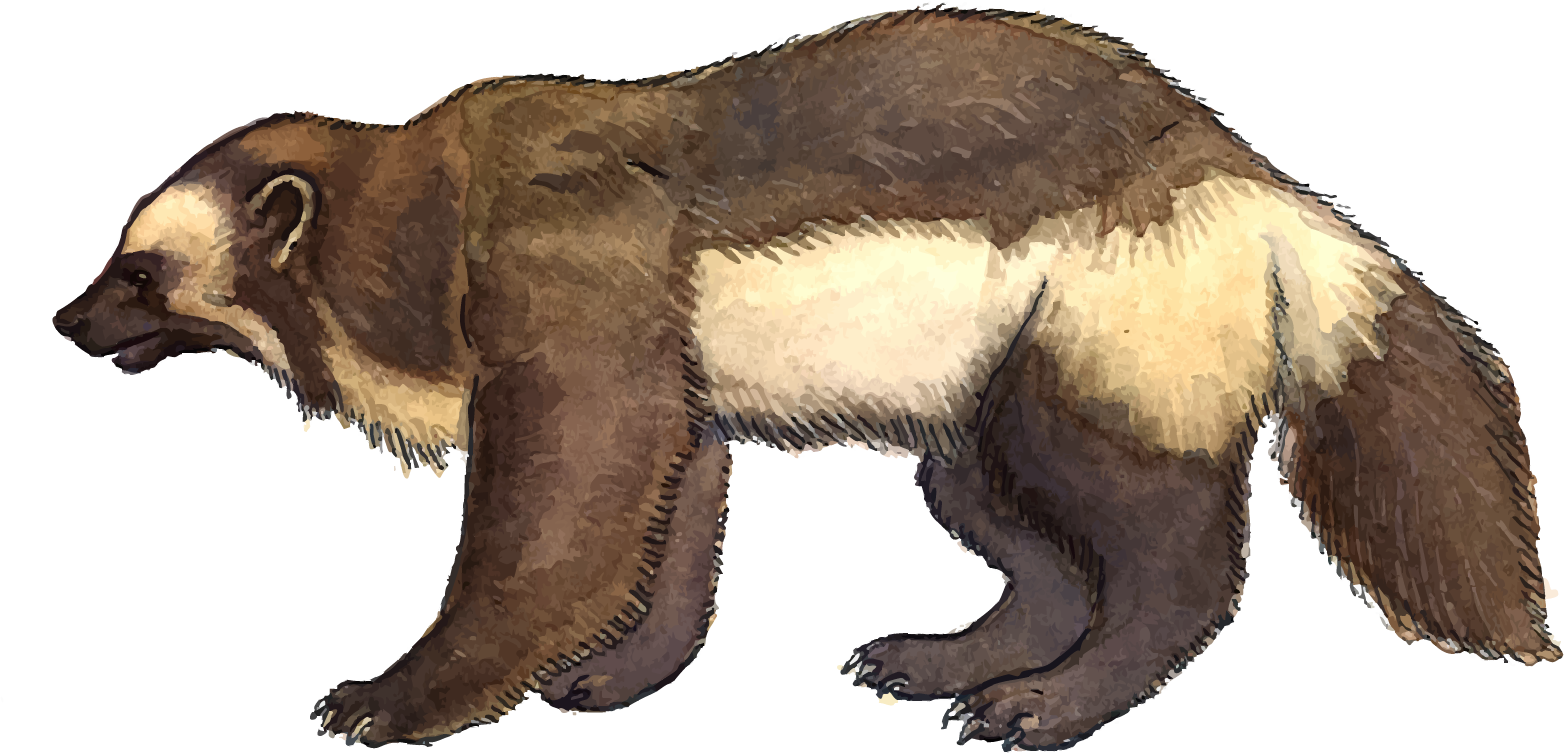
The Wolverine Foundation is sponsoring this special session. Wolverines live on the edge — of climate change, of landscape pressures, and of our collective understanding. This session brings together researchers, Indigenous knowledge holders, wildlife managers, students, and community partners to share new insights and identify the most important information gaps shaping wolverine conservation. This session will be developing a synthesis product from this session – come, contribute, be a co-author moving research, conservation, and management of wolverine forwards.
Attendee Information
If you are arriving via airplane, there is a shuttle bus from the airport to Whitehorse centre and to most hotels.
We look forward to welcoming you at the symposium, please collect your welcome packs at registration, open each morning before the symposium begins.
If you have a poster, please bring it with you to registration and volunteers will be available to help you set up your poster.
If you are presenting, please ensure you have your presentation on a memory stick or email it to us at symposium@martesworkinggroup.org to allow us each morning to set up all the presentations in advance.
If you have any questions, the organising committee and volunteers will be wearing blue landyards and are here to help you.
Symposium Program
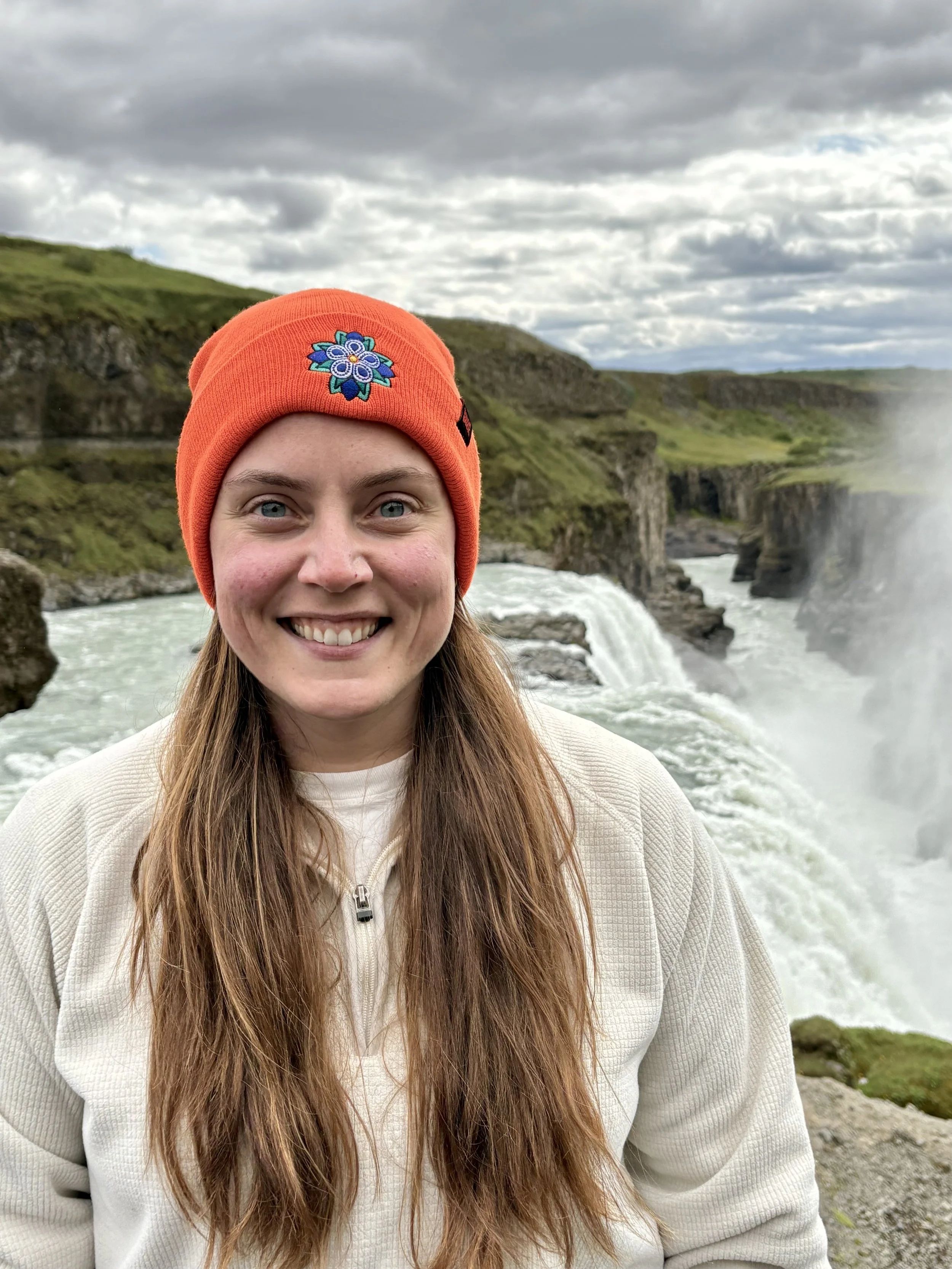
Allyson Menzies
Focus: Indigenous Communities and Nature
Talk title: Wildlife, People, and Ways of Knowing: Reflections on a Journey in Conservation
Martes species: Wolverine
Allyson Menzies (she/her) is a Métis scientist from Treaty 2 territory and Assistant Professor at the University of Calgary in Treaty 7 territory. Her PhD focused on the winter ecology and energetics of Canada lynx, snowshoe hares, and red squirrels in the Yukon, with a brief foray into wolverine collaring in northern Alberta. Her current research focuses on community-based wildlife monitoring and weaving Indigenous and Western knowledge systems to support stewardship of culturally important species, including moose, geese, and bison. She works closely with Indigenous and non-academic partners to develop place-based, collaborative approaches to conservation and wildlife management.
KEYNOTE SPEAKERS
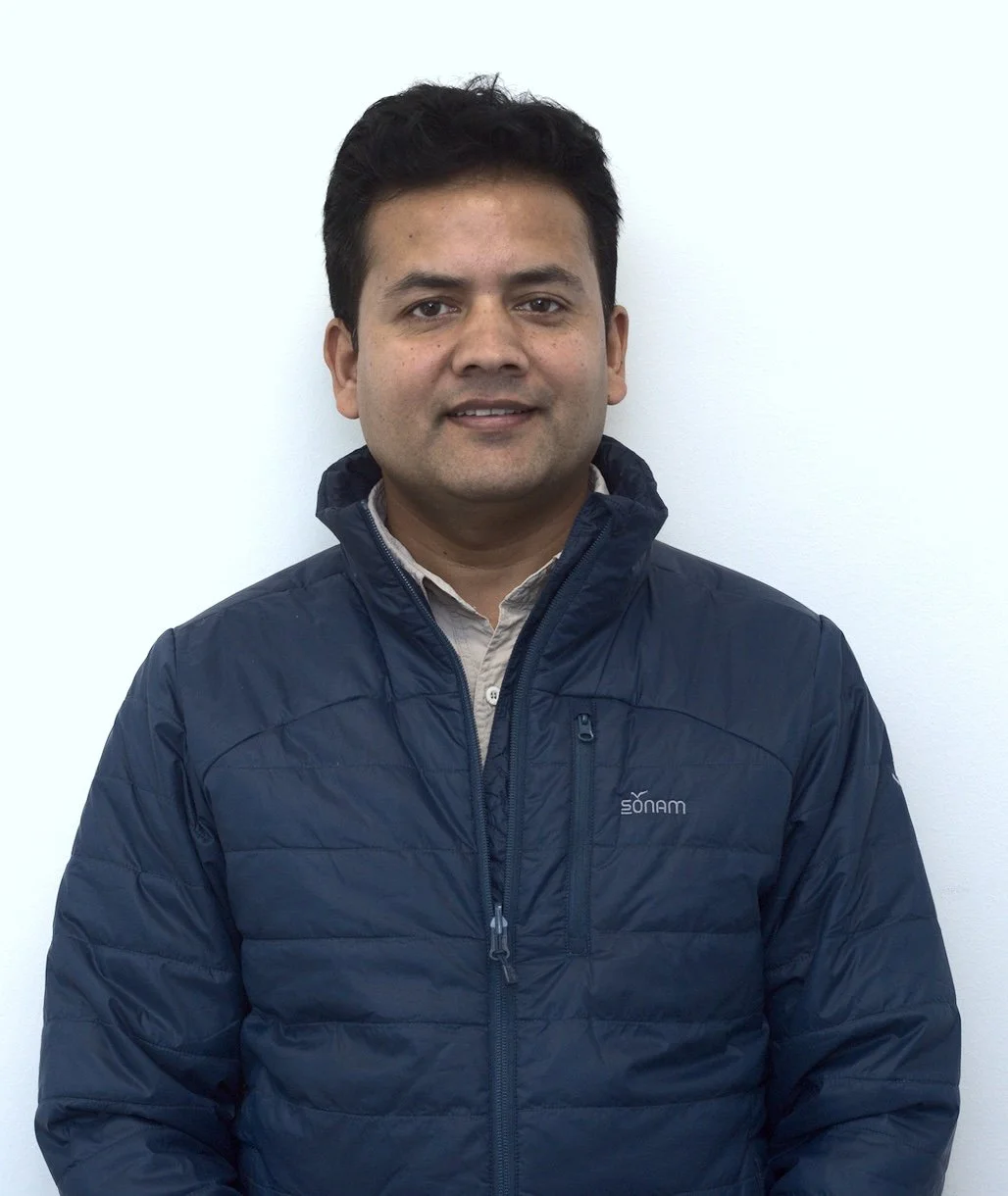
Ambika Pd. Khatiwada
Focus: Endangered species research
Talk title: Yellow-throated Martens in Asia: Current Knowledge, Emerging Conservation Threats and Lessons from Nepal
Martes Species: Yellow-throated marten
Ambika Prasad Khatiwada is a wildlife researcher and conservationist. He is a National Geographic Explorer and ZSL EDGE Fellow. He serves as a member of the IUCN-SSC Canid Specialist Group and as a thematic co-chair for Law Enforcement and Combat Wildlife Trafficking on the Pangolin Specialist Group's steering committee. His journey in wildlife research and conservation began in 2010, and since then he has worked across Nepal's Tarai lowlands and Himalayan protected areas, building an intimate understanding of the landscapes and communities for wildlife conservation. Based in Kathmandu, Ambika works with the National Trust for Nature Conservation, where his efforts span species research, conservation planning, community-based conservation, and wildlife crime control. He also works closely with local, provincial, and federal governments and understands that sustainable conservation requires sound policies, strong institutions, and people who genuinely invest in these endeavours.
Alice McCulley
Focus: First Nation Peoples and Nature
Talk title: Indigenous Cultural Connection as a Foundation for Successful Conservation and Recovery of Northern Species.
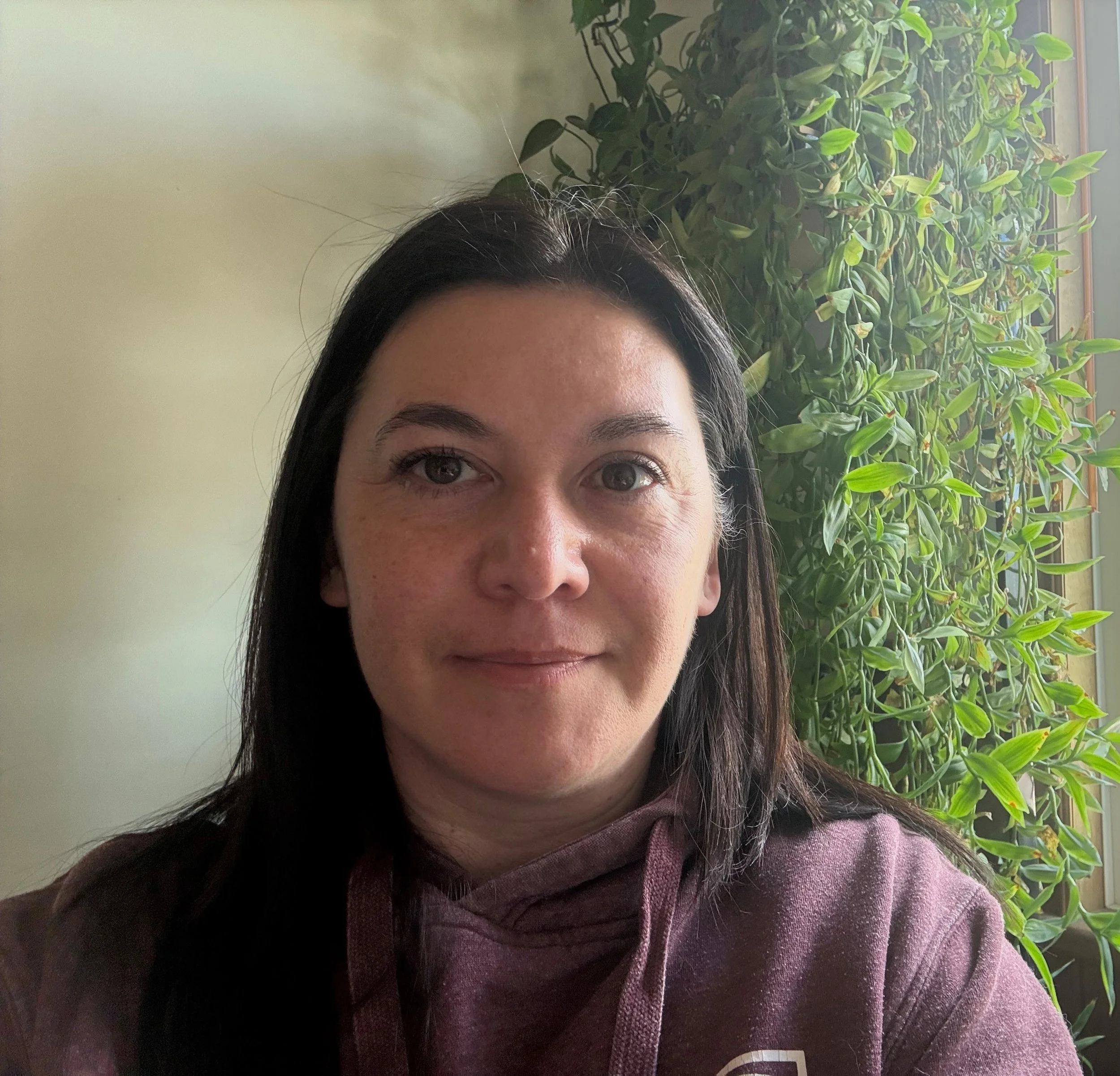
Alice McCulley is the Director of Natural Resources for the Tr'ondëk Hwëch'in (TH), a self-governing First Nation in Yukon, Canada. She has over two decades of experience working in conservation and natural resource management within the Tr'ondëk Hwëch'in Traditional Territory, including coordinating the Inventory, Monitoring and Research (IMR) program in Tombstone Territorial Park, and leading the development of the TH Ecological and Land Use Monitoring Plan. In her current position, she is responsible for advancing and implementing land claims provisions related to natural resources, and protecting First Nation rights, titles and interests related to land and resources. Alice obtained her M.Sc. degree in Natural Resources and Environmental Studies (Biology) from the University of Northern British Columbia (UNBC) and has extensive experience working collaboratively with all levels of government, as well as academics and other technical staff, and sits on a number of boards and committees that are mandated by the Tr'ondëk Hwëch'in Final Agreement, including the Dawson Regional Planning Commission, the Porcupine Caribou Management Board, the Tombstone Territorial Park Management Committee, and the Yukon Fortymile Caribou Harvest Management Committee.
Rita Bianchi
Focus: Mammal Ecology and Conservation
Talk title: The Overlooked Gulonine: Tayra and Dogs in a Changing Landscape in Brazil
Martes Species: Tayra
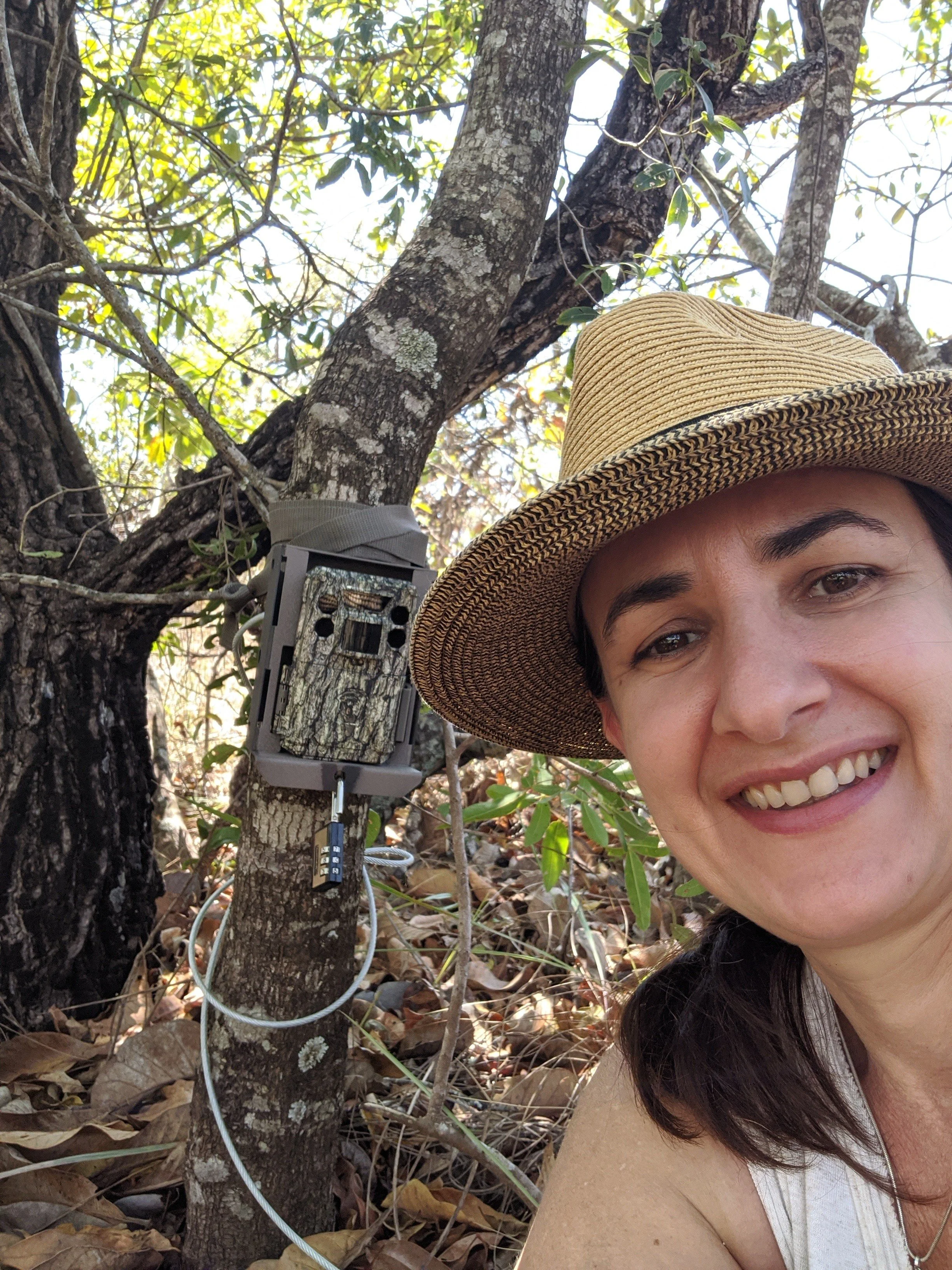
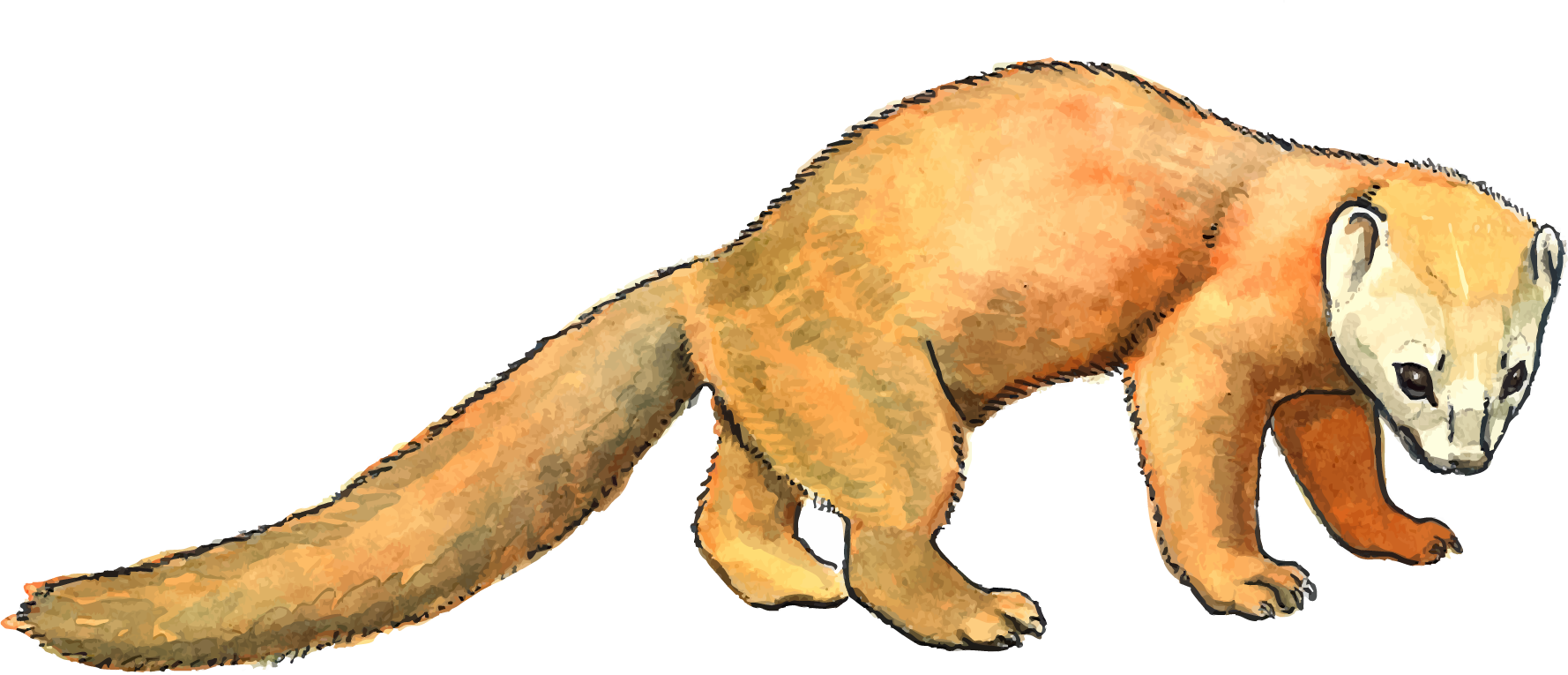
Rita Bianchi is an Associate Professor at São Paulo State University (Unesp) and coordinates the Mammal Ecology Laboratory. She holds a PhD in Ecology and Conservation from the Federal University of Mato Grosso do Sul and completed a postdoctoral fellowship at the University of Missouri under the supervision of Dr. Matthew Gompper. Her research focuses on the ecology and conservation of mammals, with particular emphasis on carnivores. A recurring theme across her projects is interspecies interactions, including the effects of free-ranging dogs on native wildlife. Her research portfolio also includes projects on the jaguar, the giant anteater and the tayra, a broadly distributed Neotropical mustelid that remains understudied. She is affiliated with the Graduate Program in Biodiversity at Unesp, where she supervises graduate students on topics related to mammal ecology and conservation in Brazilian landscapes.
Important Dates
Travel Fund Information
Travel Award Application Deadline:
15th May 2026
Assessment of submissions:
1st June 2026
Notification of outcome:
24th June 2026
The Martes Working Group strive to ensure equal opportunity for people to attend our symposiums and we want to ensure we have a variety of people, species talks and topics to make our symposiums the best they can be.
The Travel Fund is available to everyone that has submitted an abstract for a talk, poster or workshop. We have multiple Travel Awards available. This can cover travel or related expenses and/or symposium fee.
If you have any questions, please don’t hesitate to contact us at symposium@martesworkinggroup.org
Fieldtrips!
3rd September – Evening to explore Whitehorse Nature!
Join one of our MWG members, local to the area, to explore the local beauty and nature of Whitehorse on a short walk after the symposium. Walk options may vary depending on number of people interested.
Cost: FREE
Option 1: 4th September - Amazing Fieldtrip Planned to Kluane National Park!
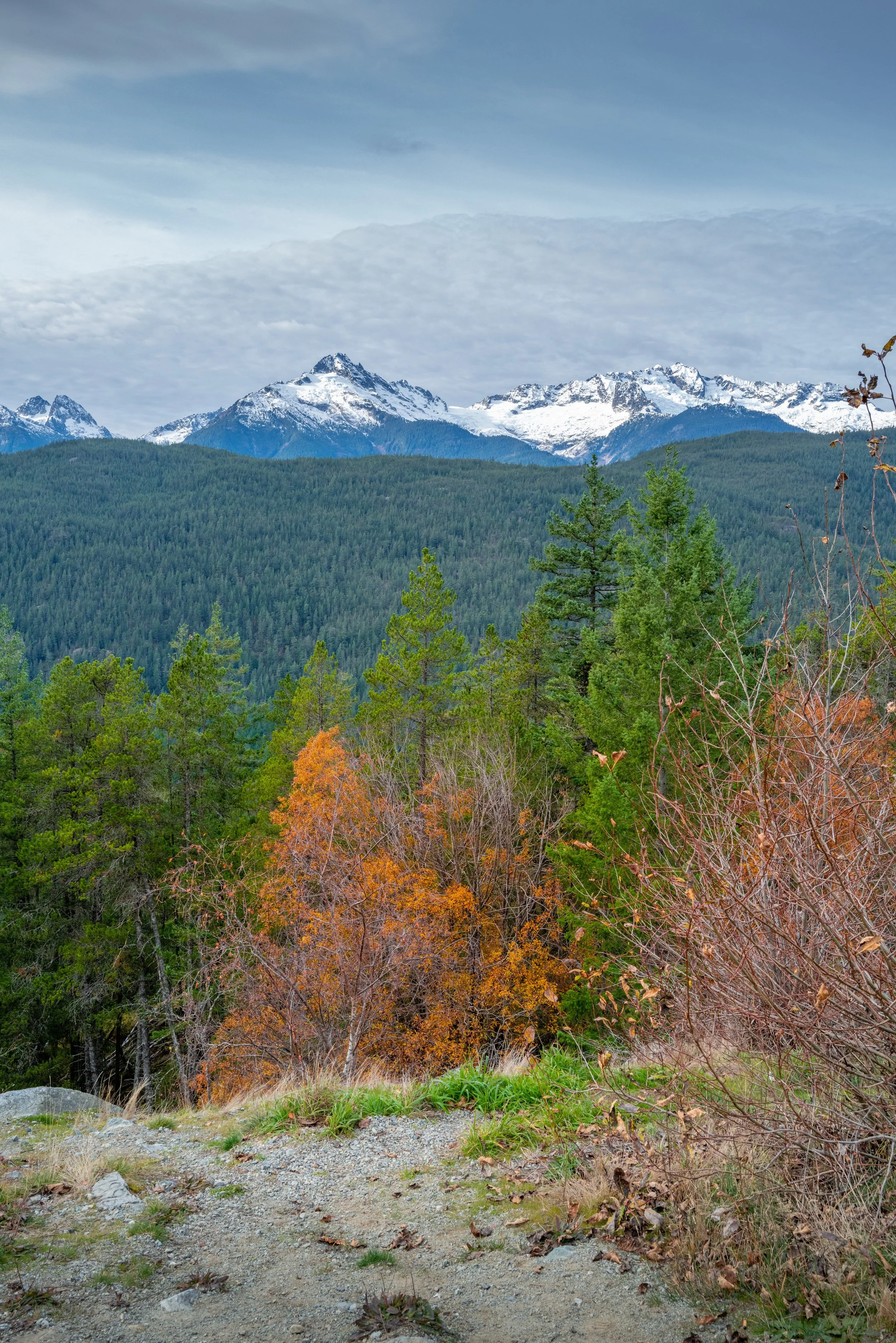
Join us for a full day fieldtrip, with stunning views as we trek in the Kluane National Park area. Meet local people passionate about the area and Wolverines, from different points of view. Please bring your own pack lunch. This trip will require walking boots and be prepared to walk 3km on uneven surfaces. *Please note, we can tailor this trip for people with accessibility needs, so please mention your requirements when you register for the symposium.
Cost: CAD $5 [AT CAPACITY]
Option 2: 4th September – Explore local nature in Whitehorse!
Join us for a half day fieldtrip exploring the local beauty and nature in Whitehorse with local guide.
Cost: FREE [AT CAPACITY]
Book your field trip option when you register for the symposium.
Abstract submission is now closed!


Important Dates
Abstract Deadline:
31st March 2026
Assessment of submissions:
15th April 2026
Notification to successful applicants:
29th April - 1st May 2026
All speakers and poster presenters are expected to register to attend the Symposium and pay for their own ticket, travel, and accommodation. If cost might be an impediment to attending, we will be offering Travel Awards to support people with limited funding. More information about applying for a Travel Award will be released soon. We welcome abstracts for all Martes species and globally. If you have any questions, please don’t hesitate to contact us at symposium@martesworkinggroup.org.

Interested to have a stall at our Symposium?
Whether you are a small or large business, nature, culture, arts, local business, we want to hear from you to explore your options to have a stall at our 9th Symposium.
For more information, please contact us at symposium@martesworkinggroup.org.
Exciting opportunity to join our growing community of Sponsors
Want to be part of a community that values nature and people, contribute to something bigger than yourself and your organisation, or want to give back to your community. We have four exciting Sponsor Packages on offer to help support our Symposium. You would be supporting anything from giving a student an opportunity to present at our Symposium through a Travel Award, to supporting our small not-for-profit organisation to host this Symposium, contribute towards our new Guloninae Journal, low cost and open access, to donating a raffle prize that supports all our work for Martes globally.
Become a Sponsor Today!
A range of sponsorship levels are now available to purchase directly on our website, each with different levels of recognition.